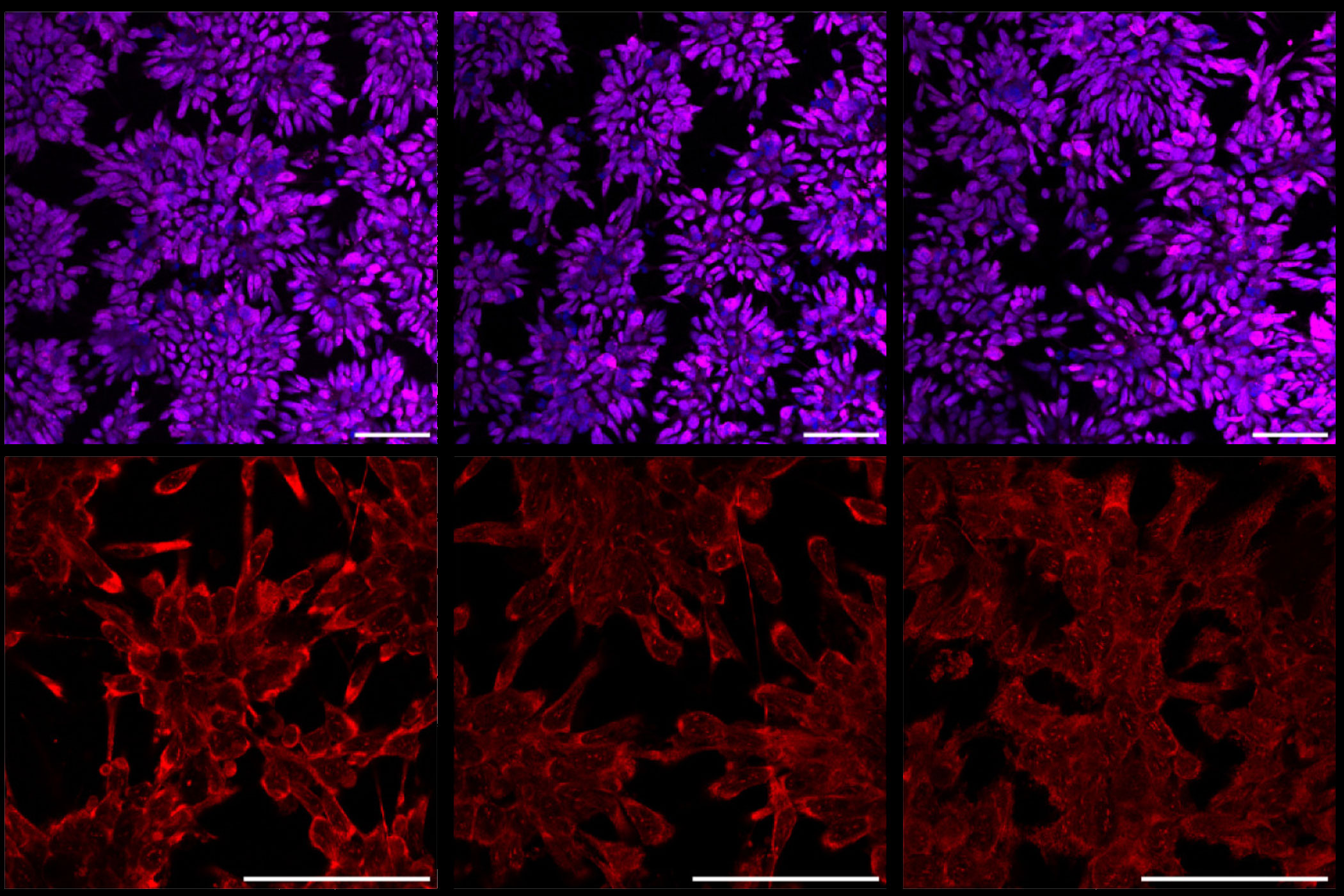
The cell nucleus contains thousands of proteins that coordinate gene activity and determine how cells develop, function, and respond to stress. In this study, researchers systematically mapped the nuclear proteome to identify previously unrecognized regulators of cell identity. Their analysis revealed an unexpected microtubule-associated protein that, beyond its known cytoskeletal functions, is enriched in the nucleus and directly influences gene-regulatory programs.
Using advanced proteomics, imaging, and functional experiments, the team demonstrated that this protein acts as an important coordinator of cell fate decisions. Altering its levels disrupted normal gene expression patterns and affected the ability of cells to maintain their specialized identities. Importantly, the researchers also found evidence that dysregulation of this pathway is associated with human disease, linking nuclear protein organization to pathological processes.
The work highlights how proteins traditionally associated with the cytoskeleton can have critical functions inside the nucleus. By uncovering a previously hidden layer of cellular regulation, the study opens new opportunities for understanding development, tissue homeostasis, and disease mechanisms.
Merino et al., 2026: Nuclear proteome reveals microtubule-associated protein regulating fate and disease. Cell. DOI: 10.1016/j.cell.2026.05.019