
• Zum Hauptinhalt springen
  • Zum Footer springen
  • Deutsch - de
  • English - en

    SyNergy - Mu...

    • About
      • About us
      • Our Measures
      • Members
      • Cluster Management
      •  PhD & Postdoc representatives
      • Scientific Advisory Board
      •  International cooperation partners
      • Timeline
      •  Media Kit
      • Contact
    • News & Events
      • News
      • Events
      • In the News
      • Open Positions
    • Research
      • Publications
      • Our Research Focus
      • Technology Hubs
      • Research Spotlight
      • Research Data Management
      • Sustainability Initiative
      •  Code of Conduct
    • Science & Society
      • For Schools & Students
      • Public Events
      • Podcasts
      • Videos
    • Support for Diversity & Equity
      • Newcomer Center
      • Gender Equality Program
      • Early Career Investigator Program
    1. Home
    2. News & Events
    3. News
    4. Long COVID: SARS-CoV-2 spike protein accumulation linked to long-lasting brain effects
    News | 29/11/2024 | Press Release

    Long COVID: SARS-CoV-2 spike protein accumulation linked to long-lasting brain effects

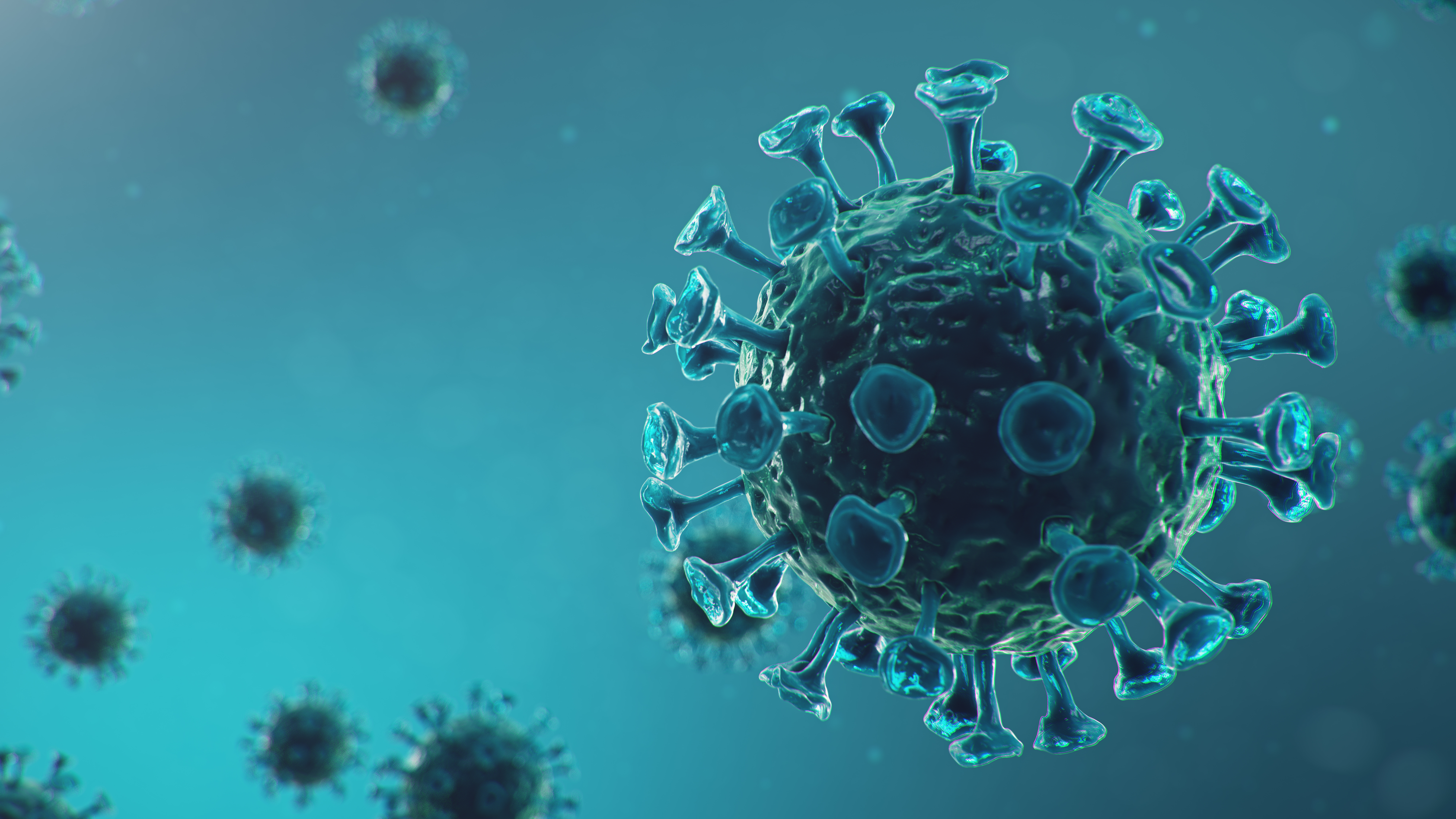
    Researchers from Helmholtz Munich and Ludwig-Maximilians-Universität (LMU) have identified a mechanism that may explain the neurological symptoms of Long COVID. The study shows that the SARS-CoV-2 spike protein remains in the brain’s protective layers, the meninges, and the skull’s bone marrow for up to four years after infection. This persistent presence of the spike protein could trigger chronic inflammation in affected individuals and increase the risk of neurodegenerative diseases. The team, led by Prof. Ali Ertürk, Director at the Institute for Intelligent Biotechnologies at Helmholtz Munich, also found that mRNA COVID-19 vaccines significantly reduce the accumulation of the spike protein in the brain. However, the persistence of spike protein after infection in the skull and meninges offers a target for new therapeutic strategies.
    rost9 - stock.adobe.com

    A novel AI-powered imaging technique developed by Prof. Ali Ertürk’s team provides new insights into how the SARS-CoV-2 spike protein affects the brain. The method renders organs and tissue samples transparent, enabling the three-dimensional visualization of cellular structures, metabolites, and, in this case, viral proteins. Using this technology, the researchers uncovered previously undetectable distributions of spike protein in tissue samples from COVID-19 patients and mice.

    The study, published in the journal Cell Host & Microbe, revealed significantly elevated concentrations of spike protein in the skull’s bone marrow and meninges, even years after infection. The spike protein binds to so-called ACE2 receptors, which are particularly abundant in these regions. “This may make these tissues especially vulnerable to the long-term accumulation of spike protein,” explains Dr. Zhouyi Rong, the study’s first author. Ertürk adds, “Our data also suggest that persistent spike protein at the brain’s borders may contribute to the long-term neurological effects of COVID-19 and Long COVID. This includes accelerated brain aging, potentially leading to a loss of five to ten years of healthy brain function in affected individuals.”

    • Read the full press release on the website of Helmholtz Munich

    Participating Universities
     LMU logo in white
     TUM logo in white
    Partner Institutions
     Logo DZNE in white
    Helmholtz Munich logo in white 
     Logo Max Planck Gesellschaft 

    SyNergy is funded by the Deutsche Forschungsgemeinschaft (German Research Foundation) within the framework of the German Excellence Strategy (EXC 2145 SyNergy – ID 390857198). The Excellence Strategy promotes outstanding research at German universities. 

    Contact

    Munich Cluster for Systems Neurology (SyNergy)

    Feodor-Lynen-Str. 17
    81377 Munich
    +49 (0)89 4400-46497
    yüubgyb,cјn:uipxј_vfulyYz mi
    Editor login
    Imprint | Data-Safety