
• Zum Hauptinhalt springen
  • Zum Footer springen
  • Deutsch - de
  • English - en

    SyNergy - Mu...

    • About
      • About us
      • Our Measures
      • Members
      • Cluster Management
      •  PhD & Postdoc representatives
      • Scientific Advisory Board
      •  International cooperation partners
      • Timeline
      •  Media Kit
      • Contact
    • News & Events
      • News
      • Events
      • In the News
      • Open Positions
    • Research
      • Publications
      • Our Research Focus
      • Technology Hubs
      • Research Spotlight
      • Research Data Management
      • Sustainability Initiative
      •  Code of Conduct
    • Science & Society
      • For Schools & Students
      • Public Events
      • Podcasts
      • Videos
    • Support for Diversity & Equity
      • Newcomer Center
      • Gender Equality Program
      • Early Career Investigator Program
    1. Home
    2. News & Events
    3. News
    4. Insight into the molecular mechanisms of ALS
    News | 21/06/2024 | Press Release

    Insight into the molecular mechanisms of ALS

    Amyotrophic lateral sclerosis, ALS for short, is a mysterious neurodegenerative disease that is almost always fatal. A consortium of researchers led by the Technical University of Munich (TUM) has systematically investigated the underlying molecular mechanisms of ALS. Among other things, the team discovered that ALS can be divided into subtypes. Depending on the subtype, different drugs could be effective. There are also clear differences in the molecular processes when comparing men and women.
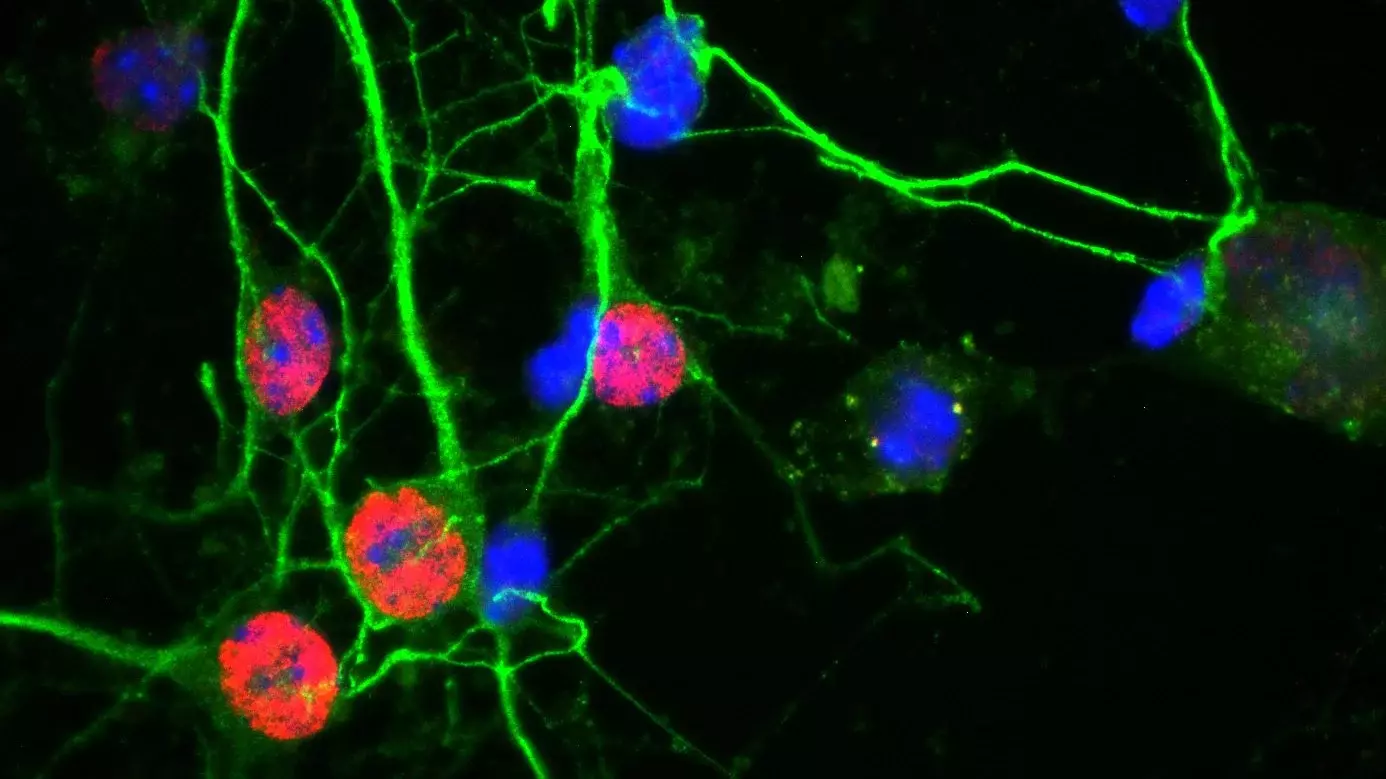
    Mojan Parvaz / TUM

    The molecular processes in the body that cause ALS patients to increasingly lose control of motor functions are still poorly understood. Previous studies have been limited to individual aspects of the underlying molecular processes. A consortium led by Prof. Paul Lingor, a neurologist at TUM, has investigated ALS using a so-called "multi-omics" approach. The researchers mapped both coding and non-coding RNA molecules and the entirety of the proteins.

    A key finding of the study is that ALS can be roughly divided into four subtypes. "You can't distinguish between these variants based on the clinical symptoms," says Paul Lingor, who, together with other researchers is part of the SyNergy Cluster of Excellence investigating neurodegenerative diseases. "However, very different things happen at the molecular level. This means that an active substance that is ineffective in one ALS subtype may well be helpful in another. Previous clinical studies were only able to look at the effects across all patients and may not have identified substances effective for an individual subtype."


    • Read the full press release on the website of TUM

    Participating Universities
     LMU logo in white
     TUM logo in white
    Partner Institutions
     Logo DZNE in white
    Helmholtz Munich logo in white 
     Logo Max Planck Gesellschaft 

    SyNergy is funded by the Deutsche Forschungsgemeinschaft (German Research Foundation) within the framework of the German Excellence Strategy (EXC 2145 SyNergy – ID 390857198). The Excellence Strategy promotes outstanding research at German universities. 

    Contact

    Munich Cluster for Systems Neurology (SyNergy)

    Feodor-Lynen-Str. 17
    81377 Munich
    +49 (0)89 4400-46497
    ;yüubYgybcјuipxј#vfulyzdemi
    Editor login
    Imprint | Data-Safety